
Mid-Pacific’s citizenship points system has returned this year where students are graded based on how well they do around campus, aiming to encourage responsibility and positive behavior across campus. Designed as a structured way to hold students accountable, the program tracks activities related to dress code, attendance, and respect for school policies. While administrators describe the system as a tool for growth and community-strengthening, students often view it as a bunch of privileges and consequences. Ninth grade dean Ben jewelll explains that the purpose of the program extends beyond simple discipline.
“It really is to encourage appropriate and good citizenship on campus, creating a community that behaves, interacts, and conducts themselves in a way that is to the benefit of themselves and everybody else,” said ninth grade dean, Ben Jewell.
According to Jewell, citizenship can be defined in many ways, but it ultimately reflects how students contribute to the overall school environment. Students can lose points for behaviors such as unexcused absences, tardiness, dress code violations, disrespect toward peers or faculty, or skipping class. However, jewell emphasizes that the goal is not merely punishment. When points are deducted, discussions typically follow so students can reflect on their actions and understand school expectations.
“Any consequence that I provide to a student is done to help them,” he explains. “The bigger thing for me always is making sure the student learns from the situation,” said Jewell.
Jewell notes that patterns of repeated violations could influence opportunities within the school community. Upperclassmen, for example, may lose off-campus privileges if they accumulate too many points. Additionally, behavior records may factor into decisions regarding leadership roles or letters of recommendation.
“If you have a history of violating your citizenship, that could impact how somebody wants to write that [collage] letter recommendation or whether they want to write it at all,” said Jewell.
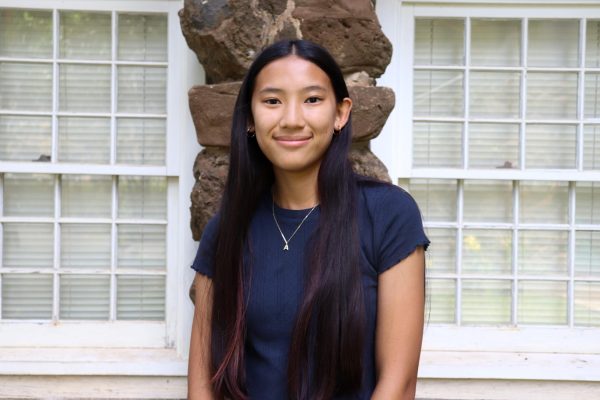
From a student perspective, junior Kella Luke acknowledges that the system can influence behavior, particularly among older students.
“I think it really only affects the upperclassmen because the upperclassmen are really the only ones that want to get off campus,” she says.
For Luke, off-campus privileges serve as a strong motivator so she doesn’t have to stay on campus all day. Getting off campus also means you don’t have to eat school lunch or bring lunch from home.
“Definitely going off campus is something that’s important to me, so I know I [have] to follow the rules to be able to do that.”
Luke believes the system encourages discipline but is uncertain about its long-term impact. When asked whether citizenship points might influence college applications, she responded, “I’m not sure if it’ll entirely determine the trajectory of your future, but I think it can definitely help.” Her perspective reflects a common question among students: how much do day-to-day behavioral systems truly matter beyond high school?
As citizenship points first year back the program continues, its effectiveness may vary depending on the student. Some are motivated by personal standards and parental involvement, while others respond more strongly to tangible consequences like restricted privileges. jewelll acknowledges that the system is not flawless, noting that enforcement can be challenging, particularly with frequent violations such as dress code where they have to be a little less strict. That being said, the whole point of citizenship points is to create a safe environment where there is trust between the teachers and students to do the right thing.
“Creating a community that behaves in a way that is to the benefit of themselves and everybody else.” Said Jewell.