When the lights dim in a school theater, many people’s eyes turn towards the stage. The actors step forward, music begins and the performance begins. But what the audience sees is only part of the show. Behind every scene change, spotlight shift and every timed cue is a group of students and teachers working quietly behind the curtain to make it all possible.
At Mid-Pacific, school productions solely depend on a range of backstage roles including stage management, lighting, music, prop design, directing and more. While performers often receive the most recognition, the staff working offstage are just as essential to the success of every show.
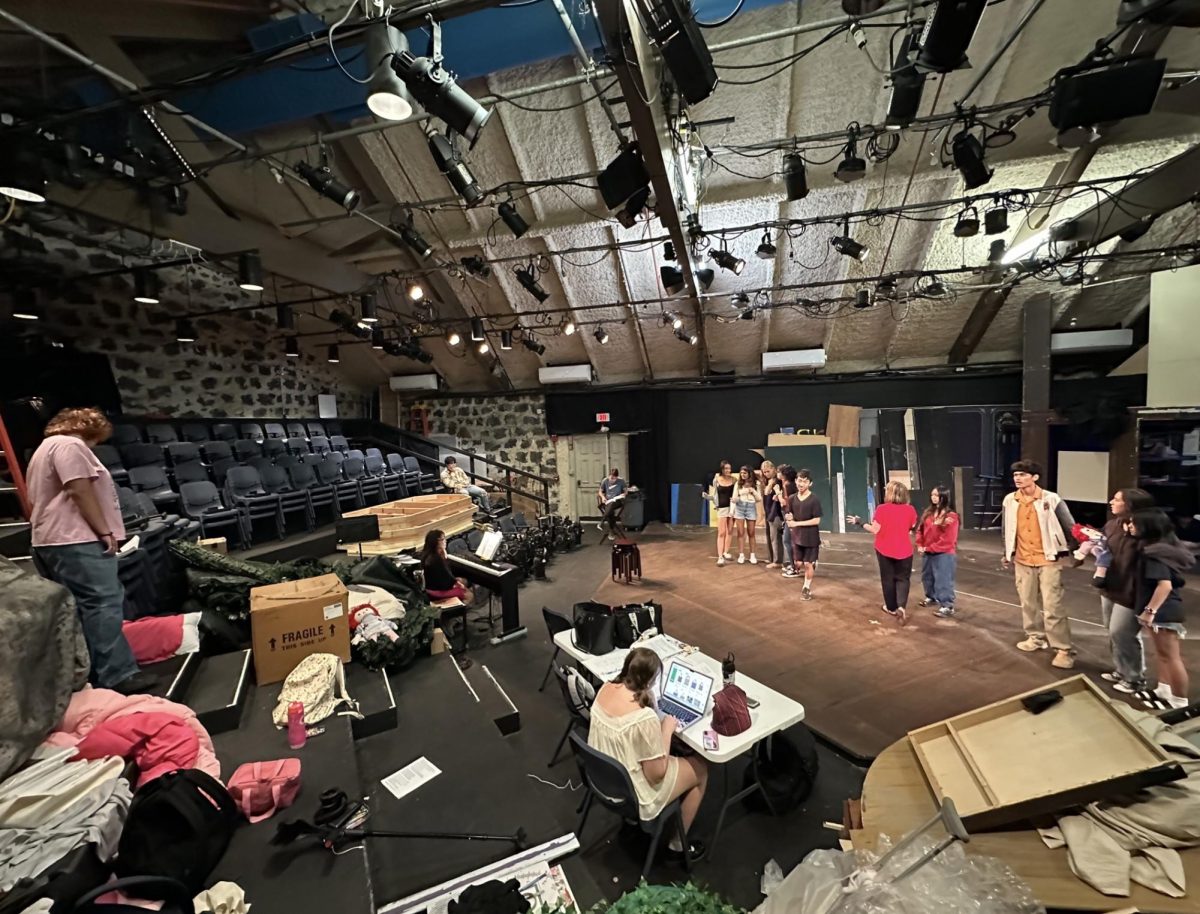
These roles are mostly invisible to the audience, but the work that they do is constant. The crew begins preparing for these shows long before opening night.
“The main part of the theater that actually makes it happen is everything backstage,” MPSA executive director Amanda Schwartz said.
The preparation can take a significant amount of time. Students often stay after school for rehearsals and production work, balancing their role with homework and other responsibilities they might have. As performances get closer, the time commitment increases, and the pressure to make everything run smoothly becomes stronger.
A huge part of a successful performance are the props and the technical aspects. Everything must be in the right place at the right time, or the entire flow of a scene can be affected. These small details matter because these live performances leave little room for mistakes.
“If your prop isn’t there, then you’re screwed but the stage crew makes sure everything is exactly where it needs to be,” Junior Pono Wong said.
Backstage support is also essential in the final moments before a show begins. While actors rush to get into costume, fix their hair and prepare mentally,every second counts before the curtain rises. This is where the backstage crew members step in.
“Everybody’s rushing before a show, so having extra help backstage makes a huge difference,” Wong said.
For Pono, this support is especially important because it takes some of the pressure off performers in high stress moments right before going on stage. When small issues come up, like costumes or technical problems, the backstage crew can quickly step in, allowing actors to stay focused and concentrated instead of panicking. This kind of support helps ensure that the performance continues smoothly, even when unexpected problems happen.
Sometimes, that support can completely change the outcome of a moment on stage. In one performance, a small costume issue was fixed just a few minutes before the show.
“I had no idea how to fix it, and the backstage crew helped me right before the show started, it was so helpful because we were about to go on in five minutes,” Pono Wong said.
Moments like this highlight how quickly backstage teams have to respond under pressure. Whether it is adjusting a prop, fixing costumes or helping an actor prepare their lines, these small actions can help prevent disaster from happening during the show. These fast paced situations are common during a live performance requiring teamwork, coordination and attention to detail.
Costumes and lighting play a major role in shaping how a performance feels. Lighting sets the mood for the show and it influences how the actors performed without realizing it. Costumes also help actors fully step into their role.
While the audience only sees the finished performance, those behind the scenes see every step it takes from rehearsals to problem solving moments that rarely make it to stage. They see the rehearsals that are repeated multiple times, conversations about how to improve scenes and the moments where things don’t go as they planned for but that is fixed through persistence and teamwork.
At Mid-Pacific, productions highlight this idea very clearly. Every show is the result of many people working together, each contributing in their own way to support the final performance. The audience may only see what happens on stage, but the success of the production depends just as much on what happens offstage.
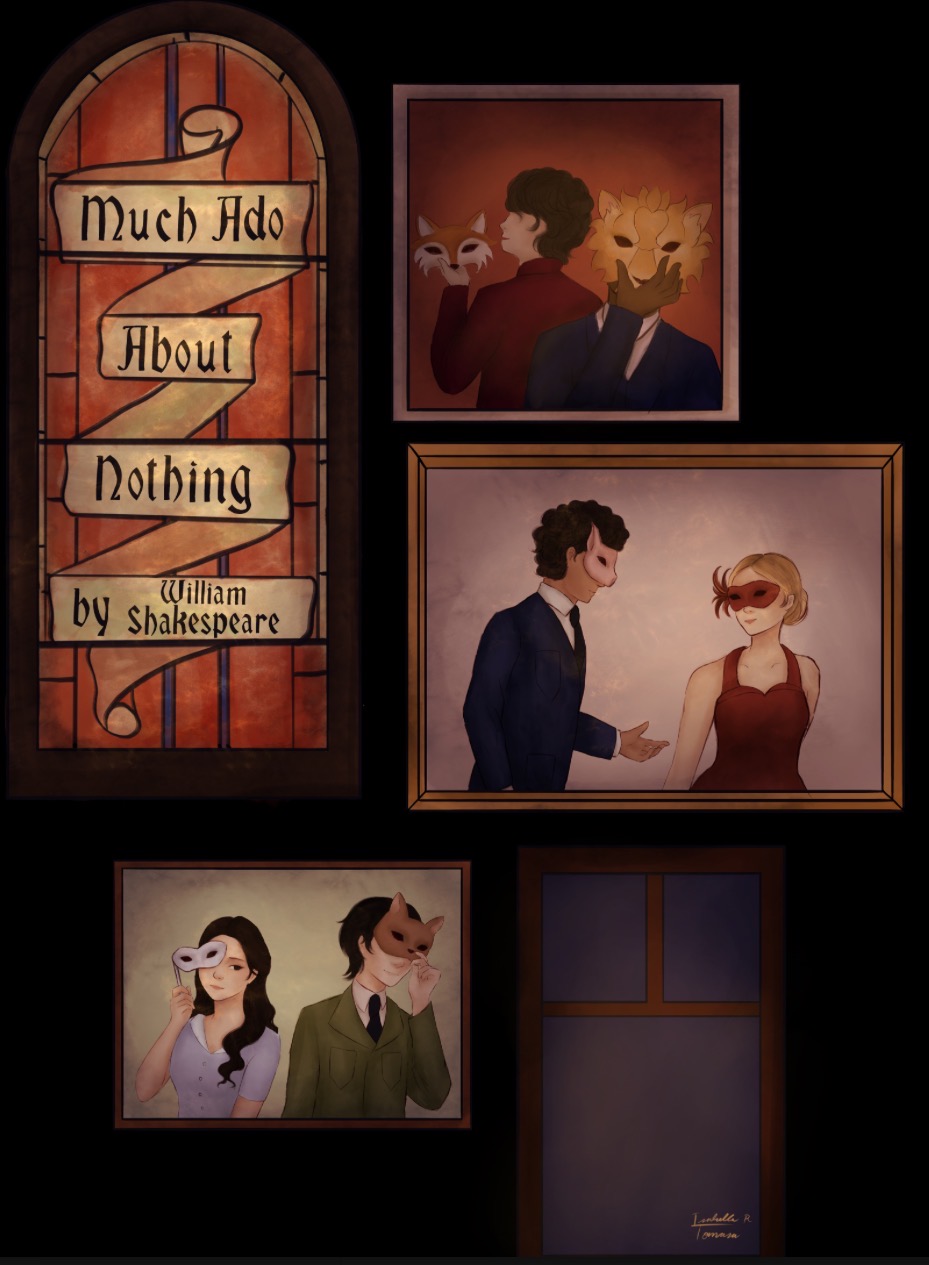
“There’s a lot of thought and work that goes into it that people don’t always see,” Junior Isabella Tomasa, Illustrator behind the production’s poster said.
This reflects how much of the production process happens out of people’s sight, long before anything reaches the stage. Even creative decisions that might seem small to an audience are carefully planned out so they match the tone and vision, which takes time and collaboration from many different people.
Students involved in the productions are aware of this. There is an understanding that every person involved contributes to the final result, even if their role is not immediately seen.
“There’s a lack of appreciation for how long creative work actually takes,” Tomasa said.
This highlights how easily the effort behind productions can be overlooked once the final performance is complete. While the audience sees a finished show, the process behind it includes hours of preparation, problem solving and teamwork. Each role requires time and commitment that isn’t always visible, even though it is essential to making the production successful.
“None of the work we do would be possible without a wonderful backstage crew,” Wong said.