Many new teachers have joined Mid-Pacific this school year, bringing new expertise, creating a more supportive atmosphere, and strengthening the school’s academic programs and community.
The decision to bring in new teachers reflects the school’s goal of strengthening its curriculum. Their arrival matters to students because they will shape daily classroom experiences, offer new learning opportunities, and help ensure students receive the attention and guidance they need throughout the year.
The new teachers spent their first weeks becoming familiar with Mid-Pacific’s schedule and community. Their early focus has been on learning how the school’s programs operate and identifying the best ways to support their classes.
Each teacher brings their prior experiences from different school backgrounds, This has helped them adapt and collaborate with Mid-Pacific’s curriculum and community.
As they settled into our community, the teachers dealt with common challenges such as adapting to new schedules, My Pueo, and classroom procedures.
After being here for several months already, the teachers have begun establishing classroom routines and getting a feel for the school. They have many goals for the year including helping classroom consistency, student engagement and integrating themselves into the new school environment.
All the new teachers have integrated their own teaching style into the classroom and received good feedback from the students. For example, Ms. Freitas, one of our new middle school language arts and ELD teachers, likes to implement fun things for her students to do in order to keep them engaged, “I like to do little games and stuff that don't take the full class, a bit like reading comprehension checks. Students will put the name of a new character on their head and then other students try to explain the character to their classmate so they can guess it. It’s been fun and they've seemed to enjoy it so far and I really enjoy watching them really engage and play.”
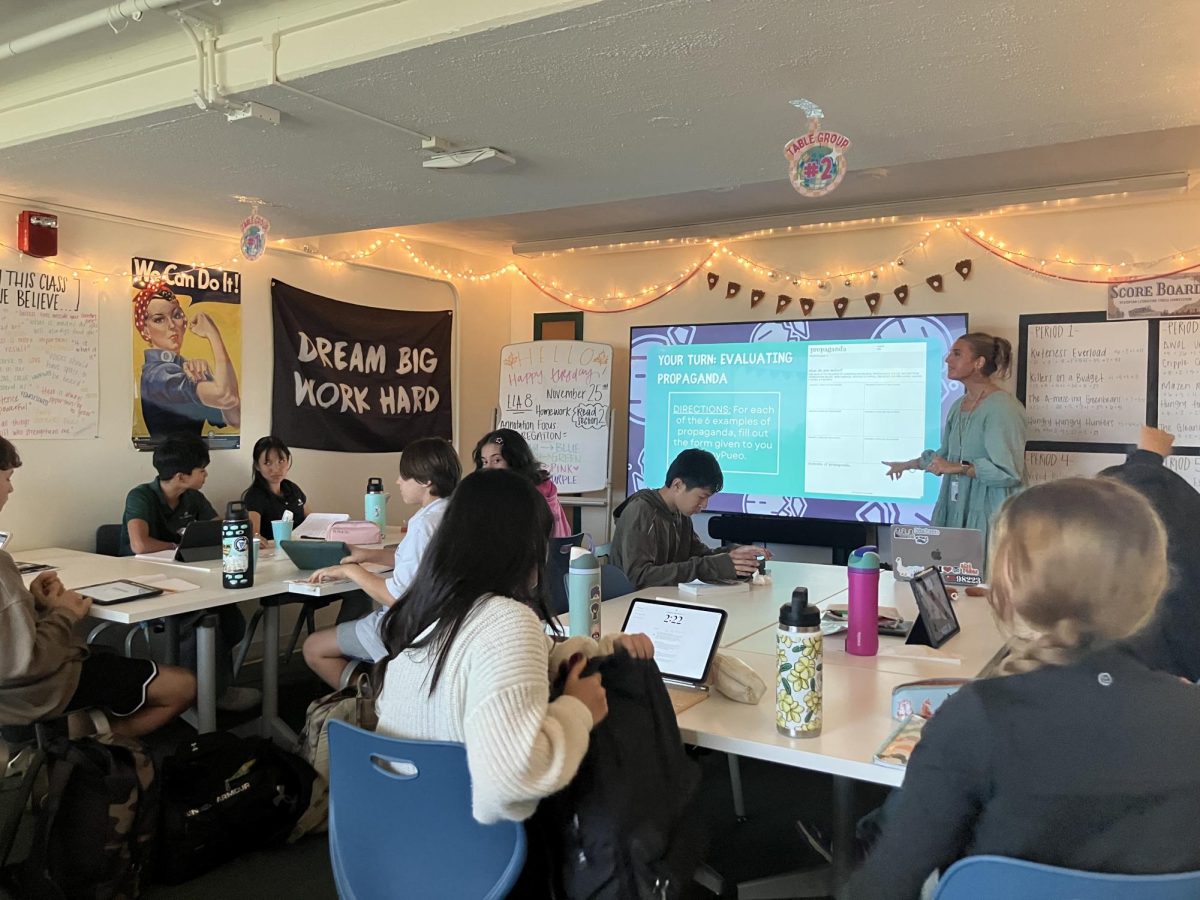
Ms. Miller, one of the new middle school ELA teacher, who also teaches argument in rhetoric class for high school, has also been trying new engaging styles of learning, “In my argument in rhetoric course, I've brought in a lot of music, which I am hoping that my students feel connected with and it can help them be more engaged than materials.” Ms. Miller had a unit in the class on fallacies (meaning: failure in reasoning which renders an argument invalid) on the Drake and Kendrick diss tracks against each other.
All the new teachers have long term goals for the year, Ms. Netherton, a high school MPX science and chemistry teacher, wants to become more comfortable teaching project based learning. While Mr. Nakamura, the newest high school ELA teacher, simply wants to get more comfortable with this new position and help his students succeed.
Besides all these achievements there have been a few struggles along the way like organizing paperwork and grading, the new school schedule, dealing with the floods of emails, and navigating My Pueo but hopefully with the support from students and staff these things will become much more manageable.
As the year progresses, the new teachers are starting to steadily settle in and most point out how much the faculty and students have helped with the transition, “The students are really close to each other, as are the staff, so I feel like it's been a really easy adjustment, and I felt at home right off the bat.” Says Ms. Miller. “Getting used to my Pueo and teaching new classes that I haven't taught before has been hard but it's been a good experience. Everybody has been really supportive, both the staff and students.” Says Ms. Freitas.
The addition of new teachers is expected to strengthen Mid-Pacific's academic programs.Their presence is likely to benefit the school community by offering more learning opportunities, supporting student success, and fostering a collaborative environment among faculty and students.
Excited to continue growing in their new roles here, the new teachers look forward to building stronger connections with students and contributing to the Mid-Pacific community. With ongoing support, they’re ready to take on the challenges ahead.